
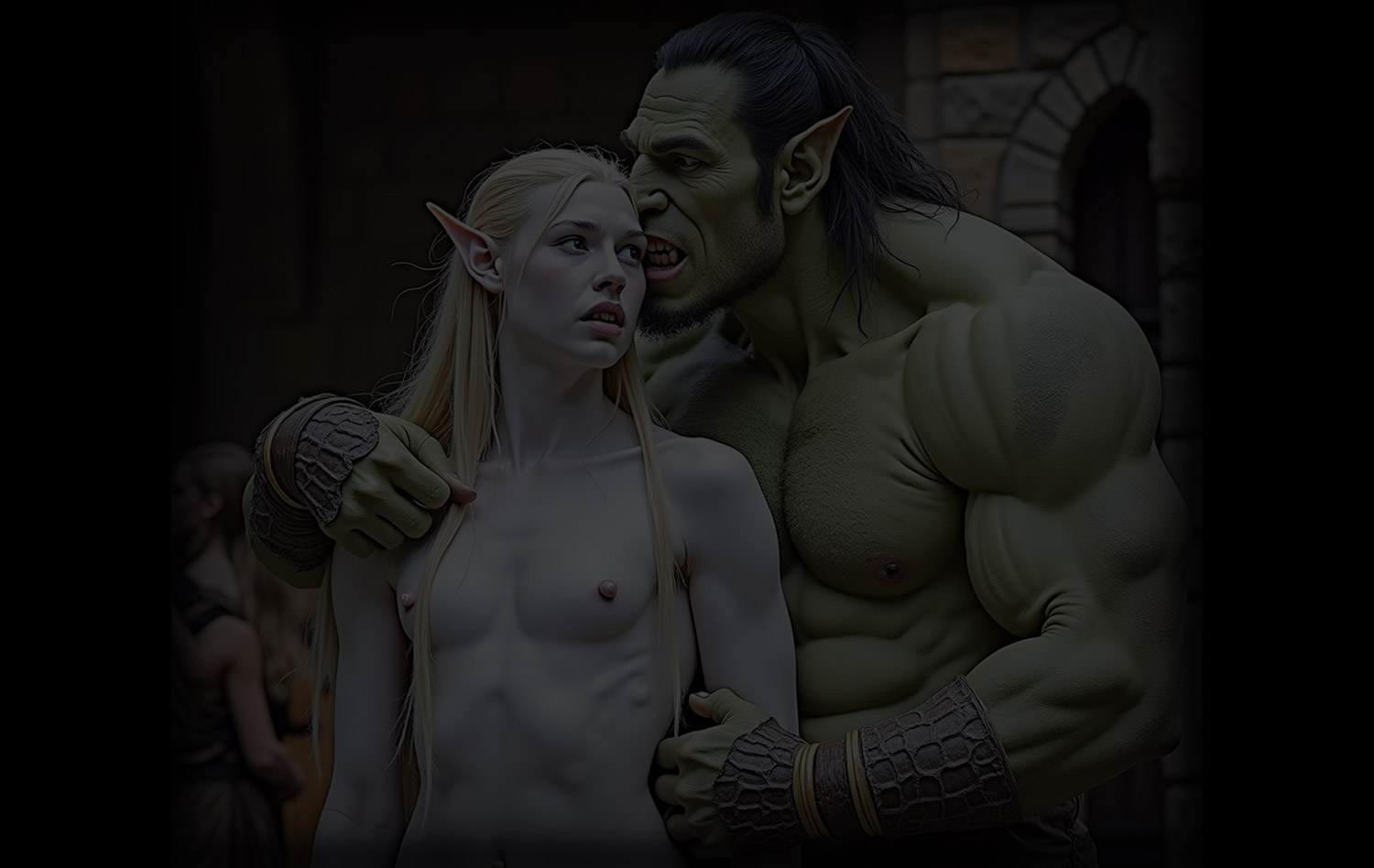
I wanted to communicate that identity is not destiny, love knows no boundaries, and the greatest courage is not in winning battles, but in being authentically oneself, even when the whole world says no to you. Did I succeed? As usual... Yes and no.
I didn't succeed in avoiding Elyrion's transformation being violent and brutal, or that the sexual scenes between Thulgarn and Ulumna were explicit. I didn't succeed in giving enough space to some characters, in balancing action and introspection, or in avoiding my voice emerging in certain passages about diversity, acceptance, and the law that unites people.
Perhaps I succeeded in creating a metaphor for the transgender experience without directly naming it: Elyrion's transformation into Ulumna - through the death of the old name, the forced adoption of a new identity, the changing body - reflects the trans experience without reducing it to a simple allegory. However, it also reflects something broader: the moment when anyone lets go of who they were to become who they are.
I wrote conventional fantasy (epic battles, magic, fantastical creatures) that you can enjoy without ever grasping the deeper levels. But beneath the surface, there's an impossible love story that transcends genre, race, and atavistic hatred. Not just sex and romance, as seen in many current novels. If you want just a good fantasy, you'll find it. If you want something more, it's also there.
If you know you're living in the wrong body, this saga speaks to you. If you simply love a good epic fantasy with war, magic, and prophecies that come true, it also speaks to you. If you're looking for a protagonist who isn't a classic hero, but someone who fights for the right to exist, Ulumna awaits you.
And above all, if you believe that true, visceral, dangerous love can arise even from the most impossible marriages, that two souls can recognize each other even when bodies lie, names are masks, and the whole world bets on their destruction, well, then this story is written for you.
If a transgender person reading about Ulumna feels less alone in their own battle, if a parent struggling to accept their trans child has an example of how to love beyond appearances, if a reader who has never thought about gender identity reflects on the meaning of being oneself, then the Five Kingdoms will have fulfilled their purpose.